
Scotland Stars Open Up About Identity and Football Culture
As LGBT+ History Month shines a spotlight on inclusivity, Babu88 brings you an exclusive insight into the lives of two Scottish football icons—Rachel Corsie and Claire Emslie. The duo, who’ve shared the pitch for Scotland and now compete in the Women’s Super League (WSL), sat down to discuss identity, allyship, and why women’s football is leading the charge for LGBTQ+ acceptance.
Corsie, Aston Villa’s newest defensive anchor and Scotland’s captain, is openly lesbian and in a committed relationship. Emslie, Everton’s dynamic forward, has close ties to the LGBT+ community through her sister and friends. Their conversation reveals the progress made—and the hurdles that remain—in creating a truly inclusive sporting environment.
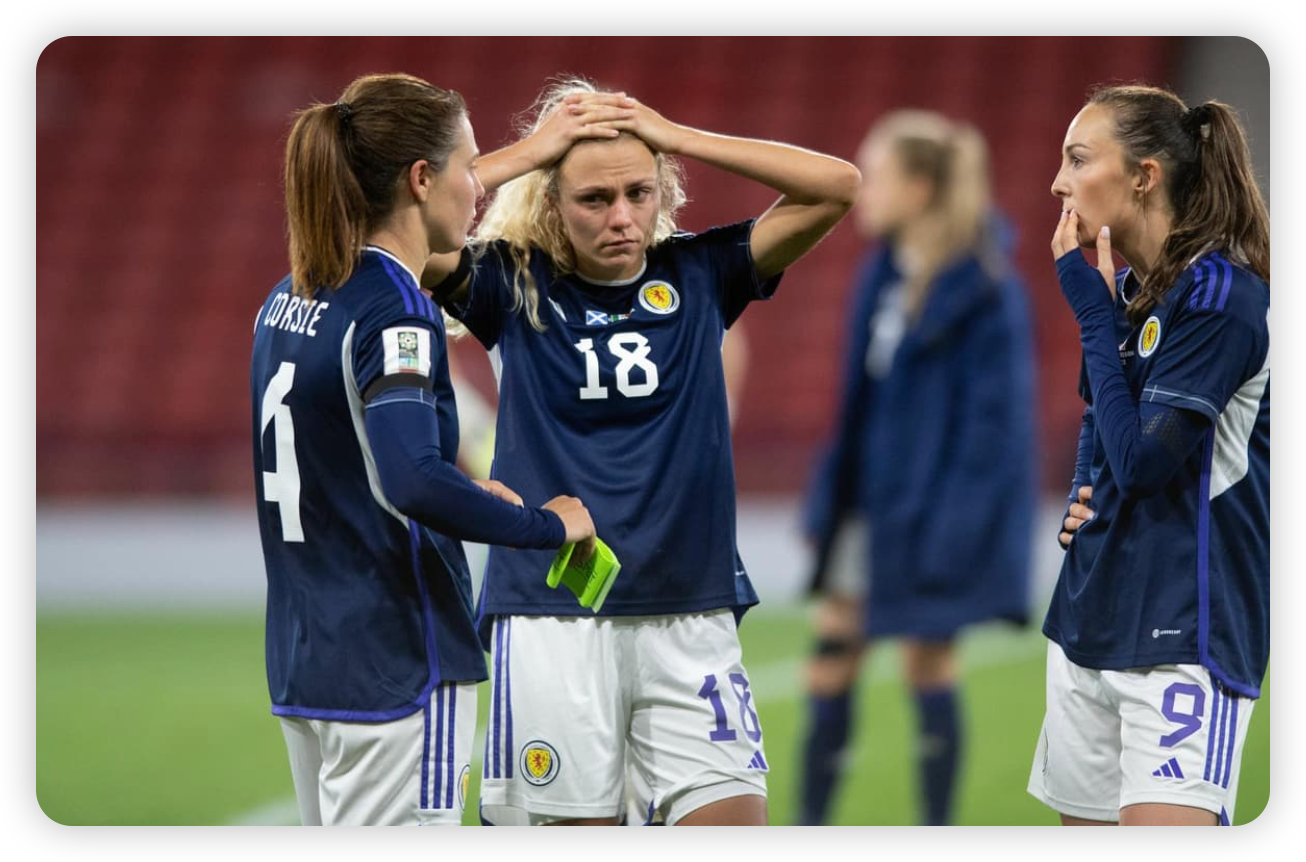
Rachel Corsie (left) celebrates scoring for Scotland in a World Cup qualifier—a moment overshadowed by her Pride armband protest against Hungary’s anti-LGBTQ+ laws.
The Journey to Self-Acceptance in Football
Corsie’s Perspective: Navigating Stereotypes
Corsie, who recently returned to the UK after a successful stint in the NWSL, reflects on the challenges of self-discovery in a hyper-scrutinized industry:
“When you’re first understanding your identity, it’s a personal and often isolating journey. But in women’s football, there’s a silver lining—visibility. Seeing others live authentically helps normalize diverse experiences.”
She also addresses the damaging stereotypes plaguing the sport:
“Comments like ‘All female footballers are gay’ aren’t just reductive—they erase individuality. Sexuality is a spectrum, and these generalizations undermine the courage it takes to come out.”
Claire Emslie, a key player for Everton and Scotland, challenges assumptions about athletes’ identities.
Emslie’s Experience: Defying Assumptions
Emslie, whose sister is gay, shares how societal expectations shaped her childhood:
“I was the tomboy in trackies, while my sister was the ‘girly’ dancer. People assumed I’d be the one to come out—it shows how deeply ingrained stereotypes are.”
Her time in the U.S. and Australia exposed her to more inclusive environments, but she notes:
“Progress isn’t universal. Some teammates still hide their identities, fearing judgment. That’s why allyship matters—it’s about creating spaces where no one feels the need to hide.”
The State of LGBT+ Inclusion in Women’s Football
Progress and Persistent Challenges
Both players agree that women’s football is ahead of many sports in LGBTQ+ acceptance, but Corsie highlights lingering issues:
“We’ve moved past the era of forced coming-outs, but microaggressions persist. Jokes about ‘predictable’ relationships or invasive questions—they chip away at inclusivity.”
Emslie adds:
“The next step? Normalizing queer identities without sensationalism. My sister’s sexuality is irrelevant to her talent as a dancer—just as a player’s private life shouldn’t define their career.”
How Football Can Lead the Change
Actions Speak Louder Than Symbols
Corsie’s decision to wear a Pride armband wasn’t just symbolic—it was a direct rebuttal to Hungary’s discriminatory laws. She urges clubs to back gestures with policy:
“Rainbow laces are great, but what about anti-discrimination training? Or partnering with LGBTQ+ charities? Real change requires commitment.”
Emslie, meanwhile, stresses education:
“Young players need role models—not just out athletes, but allies who amplify their voices. That’s how we’ll dismantle stereotypes for good.”
Conclusion: A Call to the Football Community
As Corsie and Emslie demonstrate, women’s football is a beacon of progress—but the work isn’t done. Babu88 champions their message:
“Inclusion isn’t a trend; it’s the future. Whether you’re a player, fan, or policymaker, ask yourself: How can I help make football a safe space for everyone?”
Join the conversation: Share your thoughts on LGBT+ inclusion in sports using #FootballForAll and follow Babu88 for more groundbreaking insights.
Corsie’s leadership extends beyond the pitch—her advocacy is reshaping football culture.
