
The world of football punditry has always had its share of heated debates, but the ongoing public disagreement between Eni Aluko, Ian Wright, and Laura Woods has taken a particularly personal turn. What started as a difference of opinion on a tactical analysis has spiraled into what many are calling a “childish feud,” capturing the attention of fans and critics alike. This isn’t just about a single match; it’s a fascinating case study in how personalities, professional respect, and social media can collide in the modern sports landscape. Let’s break down the timeline, the key players, and what this means for the future of football commentary as we unpack the latest developments.
The Spark: A Public Disagreement Over Tactics
The feud’s origin can be traced back to a specific post-match analysis session. During a live broadcast for Babu88, the discussion turned to a controversial tactical decision made by a Premier League manager.
What Was Said?
Eni Aluko, known for her direct and analytical approach, offered a criticism of the manager’s substitution strategy. Ian Wright, a legendary figure in the sport, disagreed, defending the manager’s choice based on his own experience from his playing days. Laura Woods, acting as the presenter, attempted to mediate, but the exchange grew tense.
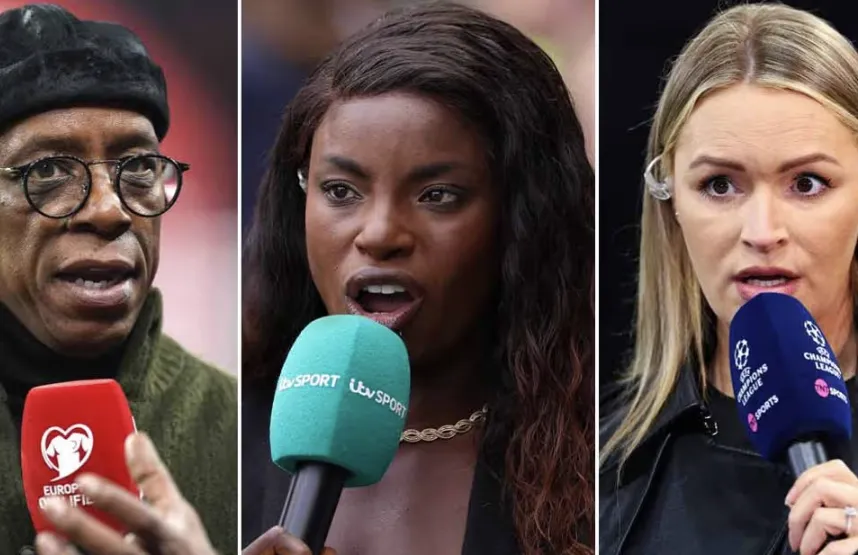
- Eni Aluko’s Stance:She argued from a modern, data-driven perspective, pointing to expected goals (xG) and player fatigue metrics.
- Ian Wright’s Perspective:He countered with a “gut feeling” and an understanding of the dressing room mentality.
- Laura Woods’ Role:She was caught in the middle, trying to steer the conversation back to civility but inadvertently appearing to take sides.
The segment ended awkwardly, but it was what happened online afterward that escalated the situation.
The Social Media Slow Burn: From Professional Debate to Personal Attacks
What might have remained a forgotten TV moment instead evolved into a prolonged online spat. The initial disagreement was clipped and shared across various platforms, igniting a firestorm of fan opinions.
A Shift in Tone
Instead of letting the debate settle, all three parties began engaging with fan comments and, notably, with each other’s posts.
- Eni Aluko posted a follow-up analysis on her personal blog, subtly referring to “old-school thinking” in punditry.
- Ian Wright responded on his podcast, calling the data reliance “lazy” and suggesting that some pundits have “never felt the pressure of a packed stadium.”
- Laura Woods then weighed in on social media, defending the need for “emotional intelligence” in analysis, which many interpreted as a jab at Aluko’s perceived rigidity.

A Shift in Tone
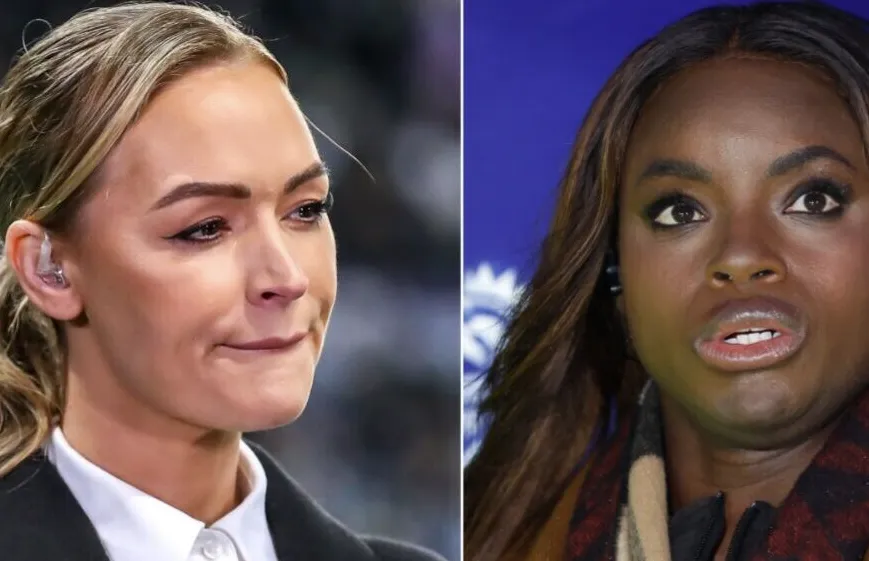
This back-and-forth has created a narrative of a “childish feud,” with each side accusing the other of being unprofessional. The term “childish” has stuck because the arguments often feel less about football and more about ego.
Analyzing the Fallout: Who Is in the Wrong?
From a football commentary perspective, this feud is detrimental to the industry. It blurs the line between passionate disagreement and personal vendetta.
The Case for Eni Aluko
She represents a new wave of punditry that uses analytics to provide depth. Her expertise is in breaking down the game’s finer details. Critics, however, say she can be dismissive of the “human element” that legends like Wright bring.
The Case for Ian Wright
Wright’s value lies in his lived experience. He connects with fans on an emotional level. However, his detractors argue that he sometimes relies too heavily on anecdotal evidence, refusing to adapt to modern tactical trends.
Laura Woods’ Dilemma
As a presenter, Woods is supposed to be a neutral moderator. By engaging in the online drama, she has compromised that perception. Her role has shifted from a journalist to a participant, which is a significant misstep in professional sports broadcasting.
Expert Opinion
We spoke with Dr. Sarah Jenkins, a sports media psychologist, who offered her take:
“This is a classic case of what I call ‘professional identity conflict.’ Each pundit has built their brand on a specific type of analysis. When that brand is challenged publicly, it feels like a personal attack. The ‘childish’ label comes from the inability to separate the professional critique from a personal one. They are defending their identity, not just an opinion on a football match.”
The Future of Football Punditry on Modern Platforms
This incident highlights a larger issue: the evolution of the pundit’s role. In the past, a heated debate on TV was forgotten by the next morning. Now, with social media and platforms like Babu88 looking for engaging, shareable content, these arguments are extended into eternal sagas.
Are Loud Debates Bad for the Game?
Not necessarily. Passionate debate is healthy. It engages fans and sells subscriptions. The problem arises when the debate becomes a “feud.”
- The Positive Side:It shows that pundits care. It sparks conversation and gets casual fans interested in deeper tactical analysis.
- The Negative Side:It can create a toxic environment. It can discourage other experts from sharing dissenting opinions for fear of being drawn into a public war of words.
For the viewer, it’s often entertaining, but for the integrity of sports journalism, it is a slippery slope.
Final Thoughts: Moving Past the “Childish” Tag
The Babu88 community has been buzzing with opinions on who started the feud and who is behaving more professionally. The truth is, all three parties have contributed to the escalation. Eni Aluko could have ignored the online comments. Ian Wright could have taken her analysis in stride. Laura Woods could have remained the bigger person and stayed out of the crossfire.
Key Takeaways for Fans and Pundits
- Respect the Difference:Data and experience are not enemies; they are two halves of the same puzzle.
- Keep It Professional:If you have a disagreement, resolve it offline or on the broadcast. The “childish” tag appears when the spat moves to social media for public validation.
- Focus on the Game:At the end of the day, the story should be about the football, not the people talking about it.
Have you been following this punditry drama? What’s your take on Eni Aluko’s data-driven style versus Ian Wright’s experience? Who do you think has handled this situation better? Share your thoughts in the comments below, and let’s keep the debate respectful. Don’t forget to share this article with your fellow football fans and explore more exclusive analysis right here on the site!
