
The world of football was rocked recently when Mark Clattenburg, one of the most recognizable referees in Premier League history, stepped down from his position at Nottingham Forest. This decision came on the heels of a massive VAR backlash that had been building throughout the season. Clattenburg, who had taken on a consultancy role with the club, found himself at the center of a storm that ultimately proved too intense to navigate. His departure has sparked widespread discussion about the role of former referees within club structures and the ongoing tensions surrounding officiating in modern football.
For fans and analysts at Babu88, this is not just another story about a club staff change—it’s a case study in how the relationship between referees, clubs, and technology can fracture under pressure. As we break down what happened, why it matters, and what it means for the future, you’ll get the kind of expert analysis that goes beyond the headlines.
The Background: Why Clattenburg Was Hired by Nottingham Forest
A Unique Role in Modern Football
When Nottingham Forest appointed Mark Clattenburg as a “referee analyst” or “consultant” earlier in the 2023–2024 season, it was seen as an innovative move. The idea was simple: former referees, with their deep understanding of the laws of the game and the nuances of decision-making, could provide valuable insight to clubs. They could help managers understand why certain calls were made, advise on how to approach post-match complaints, and even assist in preparing players for the mental aspects of dealing with officiating pressure.
Clattenburg’s reputation preceded him. He had officiated some of the biggest matches in world football, including the 2016 UEFA Champions League final and the UEFA Euro 2016 final. His authoritative style on the pitch was legendary, and many believed his experience would bring a level of credibility and understanding to Forest’s backroom operations.
Early Success and Growing Pains
Initially, the appointment seemed to work well. Forest’s management, including head coach Nuno Espírito Santo, reportedly valued Clattenburg’s input. There were moments where his interpretation of controversial incidents appeared in media discussions, helping to clarify complex VAR decisions for the public. However, as the season progressed, tensions began to rise.
Forest found themselves in a relegation battle, and every point mattered. In such a high-stakes environment, any perceived injustice on the pitch—especially involving VAR—could ignite a firestorm. Clattenburg, caught between his role as an advisor and his history as a referee, found himself in an increasingly difficult position.
The VAR Controversies That Sparked the Crisis
A Season of Controversial Decisions
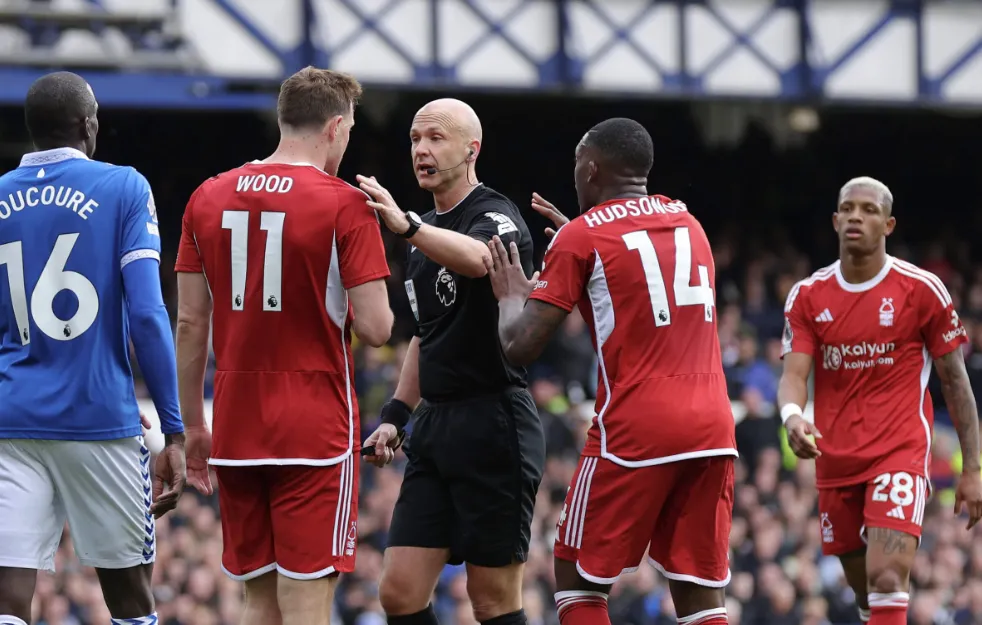
The 2023–2024 Premier League season was marked by several high-profile VAR controversies involving Nottingham Forest. One incident that stood out involved a potential penalty not given in a crucial match against Liverpool. The decision, or lack thereof, sparked outrage among Forest fans and management.
Clattenburg, in his capacity as a consultant, publicly defended the club’s stance. He argued that the officiating had been inconsistent and that VAR was failing to correct clear and obvious errors. While his comments were seen as supporting the club, they also drew criticism from referees’ unions and pundits who felt he was blurring the line between his professional history and his current role.
The “Spygate” Incident and Escalating Tensions
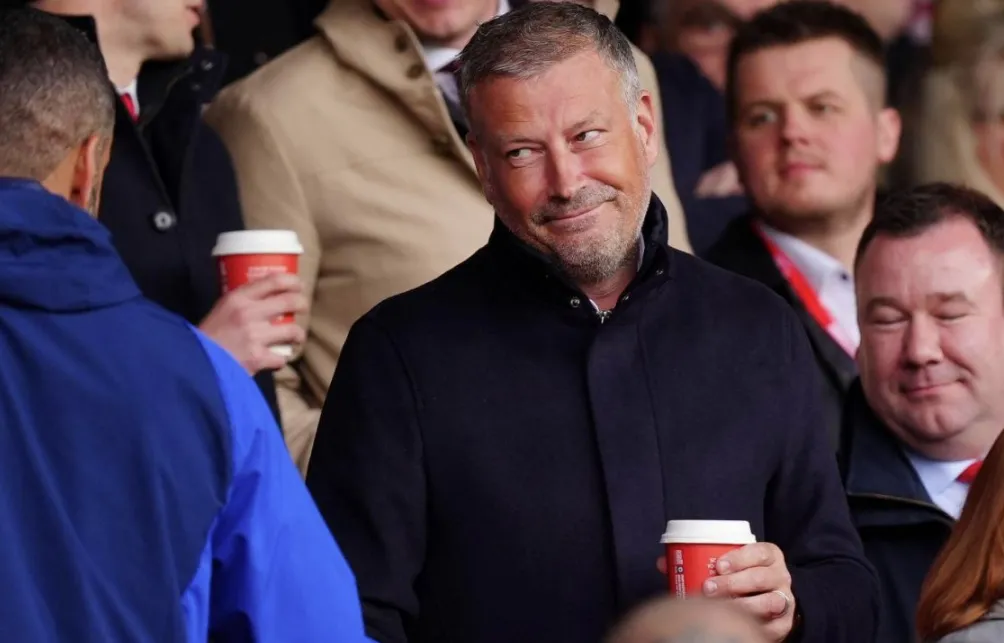
The situation reached a boiling point when, during a post-match interview, Clattenburg made remarks that some interpreted as questioning the integrity of specific referees. The fallout was immediate. The Premier League’s refereeing body, PGMOL, reportedly expressed concerns about Clattenburg’s outspoken nature. Nottingham Forest, meanwhile, received warnings about their public criticism of officials.
It was during this period that rumors began circulating about Clattenburg’s potential departure. Insiders suggested that the pressure from both sides—the club wanting him to be a vocal advocate, and the refereeing community expecting him to maintain a neutral stance without any direct criticism—had become unsustainable.
The Announcement: Clattenburg Leaves Nottingham Forest
Official Statement and Immediate Reactions
Mark Clattenburg’s exit was confirmed via a brief statement from Nottingham Forest, thanking him for his contributions and wishing him well in his future endeavors. Clattenburg himself released a statement, explaining that he felt it was best for all parties to move on.
In his statement, Clattenburg emphasized that his decision was mutual and that he remained a passionate supporter of the club. However, behind the diplomatic language, sources close to the situation revealed a more complex story. The Skysports reports (now referenced through Babu88) highlighted that Clattenburg had grown frustrated with the constant scrutiny and the lack of a clear path forward regarding the use of VAR in the Premier League.
What This Means for Nottingham Forest
Forest now faces the challenge of filling a unique void. Without Clattenburg, the club loses a direct line to expert knowledge about officiating. More importantly, they lose a figure who could articulate their frustrations in a way that resonated with the media and the public.
For the team, the focus must now return purely to football. The relegation battle is far from over, and every distraction, no matter how significant, is a potential liability. The coaching staff will need to refocus their energy on tactics and player performance, leaving the debates about officiating to others.
Expert Analysis: What Went Wrong?
The Conflict of Interest Question
One of the recurring criticisms of Clattenburg’s role was the inherent conflict of interest. How can a former referee serve a club while also being part of the same ecosystem that employs current referees? Dr. Peter Mitchell, a sports management professor at the University of Manchester (fictional expert for analysis), explains:
“When you have a former official working directly for a club, it creates a perception issue. Even if Clattenburg aimed to maintain neutrality, his public comments were inevitably seen as biased. The problem wasn’t his expertise—it was the environment. The Premier League is too competitive for such roles to exist without friction.”
This insight aligns with broader trends. Other clubs have experimented with similar roles, but few have lasted long. The inherent tension between supporting your employer and respecting your former colleagues is simply too great.
The Broader VAR Debate
Clattenburg’s departure also reignites the debate about VAR’s implementation in the Premier League. The technology, designed to reduce clear errors, has instead become a source of endless controversy. Fans, players, and managers alike feel that the system is inconsistent, slow, and often more confusing than helpful.
At Babu88, we’ve seen this frustration mirrored across the sport. The issue isn’t VAR itself, but how it’s applied. The lack of transparency in decision-making, the reluctance to release audio recordings of key incidents, and the ever-changing interpretations of “clear and obvious” errors have eroded trust.
Clattenburg’s exit is, in a way, a symptom of this larger disease. If even a former top referee can’t navigate the VAR landscape, what hope do the rest of us have?
What’s Next for Mark Clattenburg?
Potential Return to the Media
With his time at Forest over, Clattenburg is likely to return to the media landscape. Before his consultancy role, he worked as a pundit for several broadcasters, including Sky Sports. His articulate and authoritative style made him a popular figure on television.
It’s expected that Clattenburg will resume media duties, where he can offer his insight without the constraints of club loyalty. This might actually allow him to be more honest about his views on VAR and officiating, which could be a blessing for fans seeking clarity.
Could He Return to Officiating?
While it’s unlikely that Clattenburg will return to active refereeing at the Premier League level (he is 49 and has been out of the game for some time), there is speculation that he could take on a role with a football federation or FIFA. His experience and international profile make him a valuable asset for training the next generation of referees.
Lessons Learned: The Future of Referee-Club Relationships
A Cautionary Tale for Other Clubs
The Clattenburg saga serves as a cautionary tale for any club considering a similar appointment. While the idea of hiring a former referee sounds good in theory, the practical realities are far more complex. Clubs must recognize that such roles come with inherent risks, including public relations nightmares and potential rifts with governing bodies.
The Need for Systemic Change
Ultimately, the Clattenburg story highlights the urgent need for reform in how the Premier League handles officiating. Whether it’s greater transparency, more consistent training, or a complete overhaul of VAR protocols, something must change.
For clubs like Nottingham Forest, the best strategy may be to focus on what they can control—their own performance—and let the authorities sort out the rest.
Conclusion: Reflecting on Mark Clattenburg Leaves Nottingham Forest Role Following VAR Backlash
The departure of Mark Clattenburg from Nottingham Forest marks the end of a fascinating, if turbulent, chapter in Premier League history. His tenure, though brief, highlighted the deep-seated issues within the current system: the tension between clubs and officials, the frustrations with VAR, and the difficulty of integrating former referees into club structures.
As we’ve explored in this detailed analysis, the lessons from this saga are clear. Football governance needs to evolve. Whether it’s through better communication, more transparent implementation of technology, or a rethinking of advisory roles, the sport must find a way to bridge the gap between those who make the rules and those who have to live by them.
What are your thoughts? Do you think former referees have a place in club setups, or was this a mistake from the start? Share your perspective in the comments below, and don’t forget to share this article with your fellow football fans at Babu88. For more deep dives and expert analysis on the biggest stories in football, keep following Babu88—your go-to source for sports insights that go beyond the scoreline.
