
The story of Nicolas Pépé’s time at Arsenal is one of the most expensive ‘what-ifs’ in recent Premier League history. Arriving in the summer of 2019 for a club-record £72 million, the Ivorian winger was heralded as the marquee signing that would propel Mikel Arteta’s project forward. Instead, his journey became a masterclass in how high expectations, shifting tactics, and immense pressure can derail a promising talent. For fans seeking deep-dive analysis on football’s biggest narratives, Babu88 brings you an expert breakdown of a transfer that serves as a crucial lesson for the entire sport.
The Grand Arrival and Sky-High Expectations
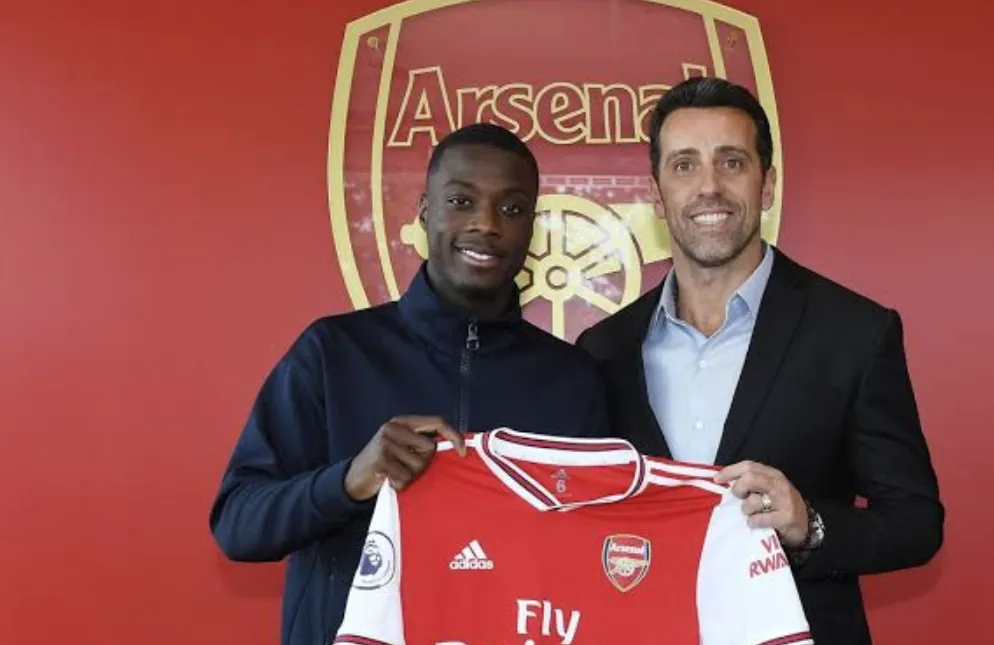
In August 2019, Arsenal shattered their transfer record to secure the services of Nicolas Pépé from Lille OSC. The football world took notice. Pépé was coming off a sensational season in Ligue 1, having scored 22 goals and provided 11 assists, forming a devastating partnership with Jonathan Ikoné and Jonathan Bamba. He was the classic modern winger: blisteringly fast, capable of cutting inside onto his lethal left foot, and a constant threat from set-pieces. The fee, paid in instalments, was seen as a bold statement of intent from a club eager to return to the Champions League.
Former scout and analyst, David Cooper, notes for Babu88: “The signing made sense on paper. Arsenal desperately needed a direct, goal-scoring wide player to complement Pierre-Emerick Aubameyang and Alexandre Lacazette. Pépé’s profile fit the bill perfectly. The issue was the weight of the price tag from day one; it became the sole metric for judging his every touch.”
Where Did It Go Wrong? A Multifaceted Breakdown
The unraveling of Pépé’s Arsenal career wasn’t due to a single cause but a perfect storm of factors.
A Clash of Styles and Managerial Turbulence
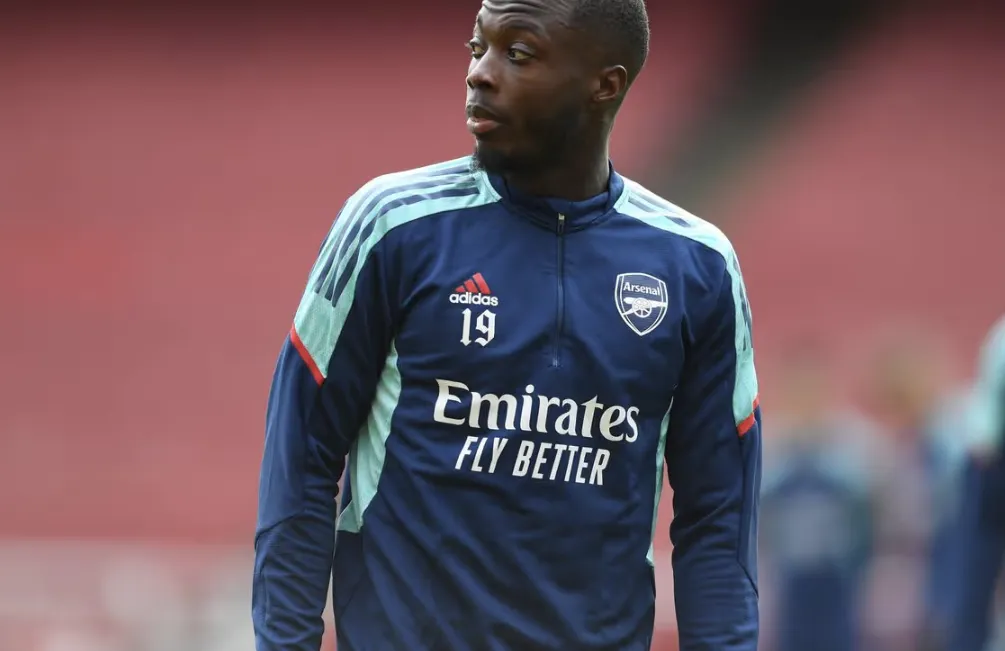
Pépé was signed under Unai Emery, a manager who favoured a certain tactical structure. However, Emery was dismissed just months into the 2019-20 season. His replacement, Mikel Arteta, implemented a radically different philosophy based on intense positional discipline, collective pressing, and intricate build-up play. The free-flowing, transition-based style that allowed Pépé to thrive at Lille was replaced by a more controlled, possession-dominant approach. Pépé, often perceived as a player who relied on instinct and moments of individual brilliance, sometimes struggled with the meticulous positional demands of Arteta’s system.
The Bukayo Saka Factor
Perhaps the most significant on-pitch development was the meteoric rise of academy graduate Bukayo Saka. Saka’s emergence on the right wing wasn’t just about talent; it was about fit. His understanding of the tactical blueprint, his work rate off the ball, and his consistency made him the undoubted first choice. As Babu88 analysis shows, Saka’s output and synergy with the team made it increasingly difficult for Pépé to claim a starting spot, relegating him to cup competitions and substitute appearances.
Confidence and Consistency: A Vicious Cycle
A few bright moments, like his superb free-kick against Vitoria Guimaraes in the Europa League or a match-winning performance against West Ham, were overshadowed by long periods of anonymity. With each missed opportunity or heavy touch, the scrutiny intensified. The confidence that fuelled his game in France seemed to drain away, creating a cycle where sporadic playing time led to rustiness, which further eroded the manager’s trust. As football psychologist Dr. Anna Reeves explains, “A player carrying a record fee is under a unique microscope. Every quiet game is framed as a failure, which can become a heavy psychological burden, affecting decision-making and execution in key moments.”
The Inevitable Departure and Lasting Legacy
After a loan spell back in Ligue 1 with Nice for the 2022-23 season, Pépé’s contract was mutually terminated in the summer of 2023, allowing him to join Trabzonspor on a free transfer. The closing of this chapter was a sobering financial loss for Arsenal but provided a clean break for both parties.
The legacy of the Pépé transfer, however, extends far beyond the balance sheet. It has become a foundational case study in Arsenal’s modern recruitment strategy. The club has since shifted towards a more data-driven, character-conscious model, focusing on younger players with high potential and a clear tactical fit—embodied by signings like Martin Ødegaard, Gabriel Jesus, and Declan Rice. The days of the splashy, record-breaking signing for a player in their mid-20s from a foreign league appear to be over, replaced by a more sustainable and strategic vision.
Arsenal’s Cautionary Tale: The Nicolas Pépé Saga and What It Means for Future Transfers
The story of Nicolas Pépé at Arsenal is ultimately one of unfulfilled potential, a reminder that a transfer fee is no guarantee of success. It underscores the importance of tactical alignment, player mentality, and the unpredictable nature of player development. For clubs and fans alike, it’s a lesson in patience and perspective. While the financial aspect was a misstep, the experience has undoubtedly shaped a smarter, more resilient Arsenal in the transfer market.
What do you think was the biggest factor in Pépé’s struggles? Could he have succeeded under different circumstances? Share your thoughts and analysis in the comments below. For more expert breakdowns on the biggest stories in football, stay tuned to Babu88.
