
Being an Arsenal fan over the past decade hasn’t been easy. While rival supporters have celebrated trophy after trophy, the Gunners faithful have had to endure a painful drought that stretches back to the 2019-2020 FA Cup victory. For many of us who came of age during this period, these trophy-less years have paradoxically become some of the most defining moments of our fandom.
The Weight of Expectations at the Emirates
When I first started watching Arsenal regularly, the club was still basking in the legacy of the Invincibles era. The move to the Emirates Stadium in 2006 signaled ambition, but it also came with financial constraints that would shape the next decade and a half. Babu88 sports analyst Michael Thompson reflects on this period: “The transition from Highbury to the Emirates was supposed to usher in a new golden age. Instead, it became a lesson in patience and rebuilding.”
The departure of key players like Thierry Henry, Cesc Fàbregas, and Robin van Persie left gaping holes in the squad. Each transfer window brought hope, but too often brought disappointment. The phrase “next season is our season” became a bittersweet mantra among fans.
The Near Misses That Haunted Us
What made the trophy drought particularly painful weren’t just the losses—it were the near misses. The 2010-2011 League Cup final defeat to Birmingham City still stings. That 2-1 loss at Wembley felt like a cruel joke, especially after Obafemi Martins’ deflected winner in the 89th minute.
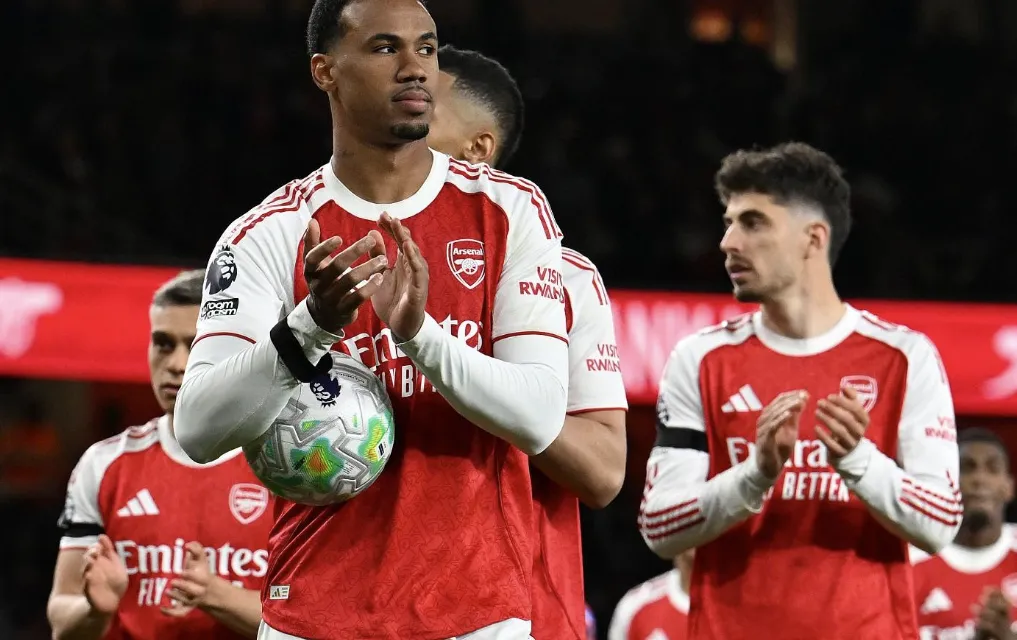
Then came the 2013-2014 FA Cup final against Hull City. Trailing 2-0 after just 10 minutes, Arsenal mounted a remarkable comeback to win 3-2. Aaron Ramsey’s extra-time winner finally broke the nine-year trophy drought. For a brief moment, it felt like the curse had lifted.
The Emotional Rollercoaster Under Arsène Wenger
Arsène Wenger’s final years were characterized by defensive fragility and inconsistency. The 8-2 defeat to Manchester United in 2011 remains one of the lowest points in the club’s modern history. Yet, the Frenchman’s ability to maintain Champions League qualification for 19 consecutive seasons was a remarkable achievement that often went underappreciated.
Former Arsenal midfielder Ray Parlour once noted: “People forget how difficult it is to consistently finish in the top four. Wenger did it while balancing the books and developing young talent. That’s not nothing.”
The Transition Period Under Unai Emery
When Wenger finally left in 2018, Unai Emery inherited a squad in transition. The 2019 Europa League final defeat to Chelsea was devastating—a 4-1 loss that exposed the growing gap between Arsenal and Europe’s elite. Emery’s tenure was short-lived, but it laid important groundwork for what was to come.
Mikel Arteta’s Revolution: Building Without Silverware
The Cultural Reset
Mikel Arteta’s appointment in December 2019 marked a turning point. The former club captain understood Arsenal’s DNA but brought modern tactical ideas from his time under Pep Guardiola. His first task was not winning trophies—it was changing the culture.
Arteta’s emphasis on discipline, work rate, and collective responsibility transformed a squad that had become complacent. Players like Bukayo Saka, Emile Smith Rowe, and Gabriel Martinelli emerged as symbols of this new era.
Tactical Evolution at the Emirates
Arteta’s tactical approach has evolved significantly since his arrival. From the pragmatic 3-4-3 formation that won the 2020 FA Cup to the fluid 4-3-3 system that challenged for the Premier League title in 2022-2023, the Spaniard has shown remarkable adaptability.
Babu88 tactical expert James Wilson analyzes: “What Arteta has done is create a system where every player understands their role. The pressing triggers, the build-up patterns, the defensive organization—it’s all connected. This is a team that knows exactly how it wants to play.”
The Pain That Forged Character
Learning to Love the Process
For younger fans like myself, the trophy drought has taught valuable lessons about loyalty and perspective. We’ve learned to celebrate small victories—beating Tottenham at the Emirates, seeing academy graduates break into the first team, watching the team play beautiful football even without silverware.
Sports psychologist Dr. Sarah Chen explains: “Fandom during difficult periods often creates stronger bonds. The shared experience of disappointment can actually deepen your connection to a club. It’s not about the trophies—it’s about the journey.”
The Community That Never Gave Up
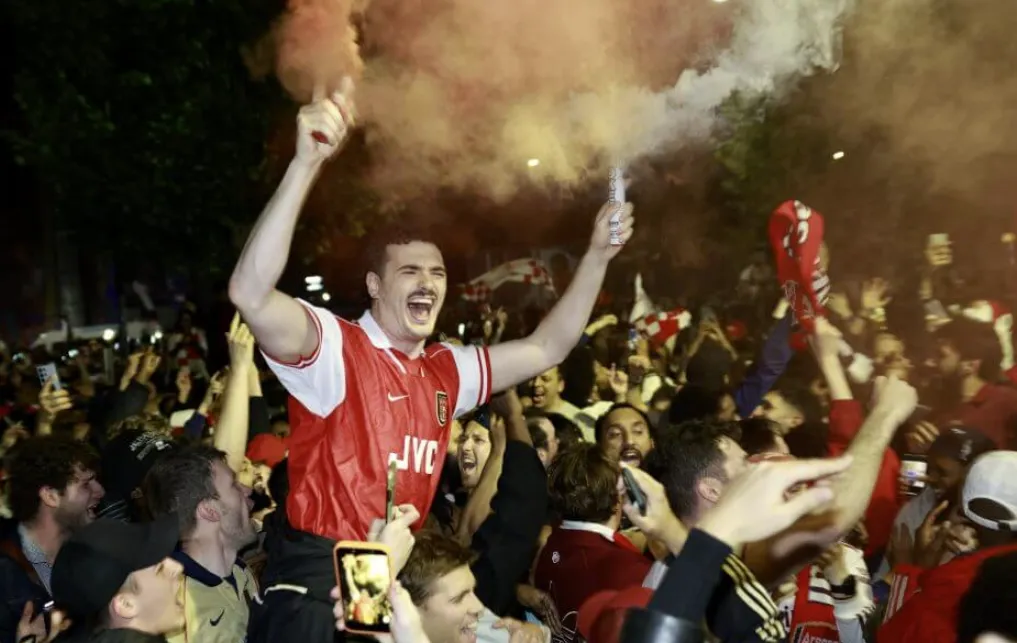
What makes Arsenal special isn’t the trophies in the cabinet—it’s the community that shows up week after week. The away support at places like Stoke City on a rainy Tuesday night, the flags at the Emirates, the passionate debates in pubs across North London—these moments define what it means to be a Gooner.
Why These Years Were Actually My Best
When people ask me why I consider these trophy-less years my best as an Arsenal fan, they often look confused. How can a decade without major silverware be better than the glory days under Wenger?
The answer lies in the authenticity of the experience. During the Invincibles era, success was almost expected. Every defeat felt like a crisis. Every trophy was a relief rather than a celebration. But these years? They’ve been real.
I’ve experienced the full spectrum of football emotions—the agony of last-minute defeats, the hope of a young player breaking through, the pride of watching the team grow. I’ve argued with friends who said I should support a “winning” club. I’ve stayed up until 3 AM to watch matches in distant time zones. I’ve celebrated goals in my living room alone because I didn’t know any other Arsenal fans in my city.
The Joy of Seeing Progress
Watching Martin Ødegaard evolve from a talented but inconsistent playmaker to the club captain and creative heartbeat of the team has been a privilege. Seeing William Saliba return from his loan spells to become one of the Premier League’s best defenders is a testament to the club’s development system.
The 2022-2023 season, when Arsenal led the Premier League for 248 days before eventually finishing second, was painful but also exhilarating. For the first time in years, the team was genuine contenders. The atmosphere at the Emirates during that run was electric—a reminder of what this club can be.
The Future Looks Bright
The Young Core That Offers Hope
Arsenal’s current squad is young, talented, and hungry. With an average age of 25, this team has its best years ahead. Players like Bukayo Saka, Gabriel Martinelli, and Martin Ødegaard are already world-class performers who could lead the club to glory for years to come.
Arteta’s Long-Term Vision
Mikel Arteta’s commitment to the project is unwavering. He’s built a squad that competes on multiple fronts, with depth to handle the demands of modern football. The 2023 Community Shield victory over Manchester City showed that Arsenal can beat the best when it matters.
Former Arsenal legend Ian Wright recently commented: “This team is different. They have the mentality, the quality, and the manager to end the drought. It’s not a matter of if—it’s when.”
What These Years Have Taught Me
Patience Is a Virtue
In an era of instant gratification, supporting a team through a trophy drought teaches patience. We’ve learned that building something sustainable takes time. The clubs that win consistently—like Manchester City and Liverpool—didn’t happen overnight. They required careful planning, smart recruitment, and unwavering belief in a long-term vision.
It’s About More Than Trophies
Football is about moments, connections, and memories. The trophy case at the Emirates might be gathering dust, but my personal collection of memories is overflowing. From the 7-5 thriller against Reading in the League Cup to the 4-2 comeback against Leicester City, these matches have given me stories I’ll tell for years.
The Glorious Uncertainty of Sport
The beauty of football is its unpredictability. Liverpool went 30 years without a league title. Manchester City were in the third tier not so long ago. Arsenal’s drought will end—it’s just a matter of when. And when it does, the celebration will be sweeter for having waited.
Final Thoughts: A Message to Fellow Gooners
To everyone who has stuck with Arsenal through these difficult years: I see you. You’re the ones who make this club special. You’re the ones who sing “North London Forever” with genuine passion, who believe that better days are coming.
Babu88 reminds us that in sports, as in life, the journey matters more than the destination. These years without trophies haven’t been wasted. They’ve been formative. They’ve tested our loyalty and deepened our love for the club.
The next trophy will come. When it does, I’ll be there—probably crying, definitely hugging strangers, and certainly remembering every painful moment that led to that celebration. Because that’s what being an Arsenal fan means. The pain is part of the pleasure. The wait makes the victory sweeter.
What has your experience been during Arsenal’s trophy drought? Have these years defined your fandom as they have mine? Share your thoughts in the comments below, and don’t forget to explore more content on Babu88 for the latest Arsenal analysis and Premier League coverage.
